Psychiatry
2026 Psych Congress
Benefit of Long-Acting Injectable Antipsychotic Drugs May Not Be Limited to Improved Adherence
New Orleans –The improved adherence associated with long-acting injectable (LAI) antipsychotic drugs is well established, but new data are showing synergistic and mutually reinforcing advantages. By lowering rates of relapse, LAIs not only reduce the disruption of repeat hospitalizations but meaningfully improve quality of life (QoL), according to multiple studies presented at the 2026 Psych Congress. The result is sustained participation in activities of daily living, including work and social functioning, which accompany the reductions in morbidity and use of healthcare resources. Collectively, these data reinforce the clinical rationale for initiating LAIs early in the treatment algorithm.
To solve the persistent problem of non-adherence to antipsychotic therapies, LAIs were introduced more than 50 years ago. In practice, these therapies were generally reserved for patients with recalcitrant disease, but newer-generation, more effective, and better tolerated therapies are changing the paradigm. Several studies presented at the 2026 Psych Congress add to the evidence supporting earlier consideration of LAIs. One U.S. study compared the clinical, QoL and economic outcomes associated with initiating a LAI in adults with early-course schizophrenia.
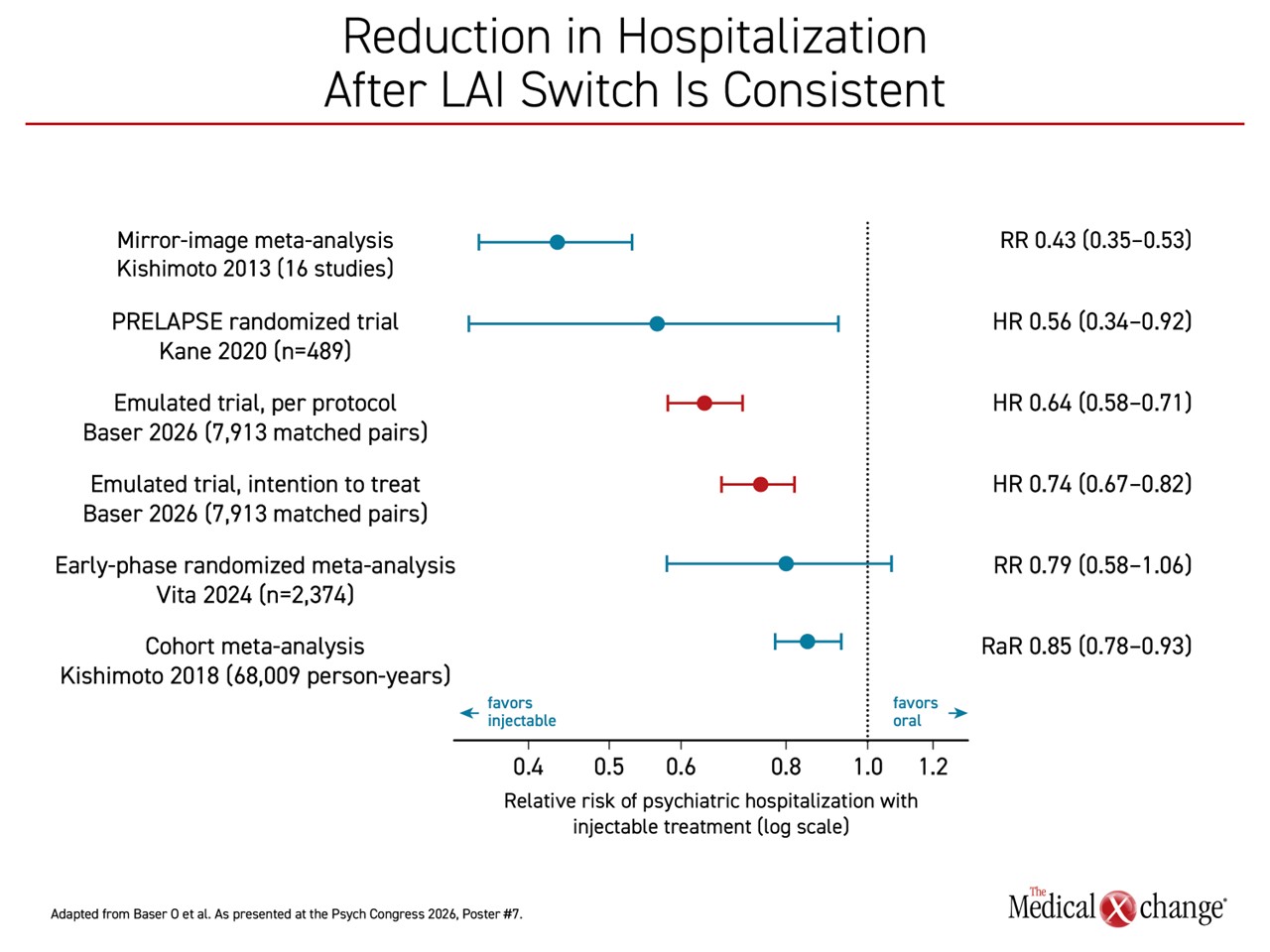
In this emulation study presented by Dr. Onur Baser, a professor of healthcare economics at the City University of New York, the higher prescription costs of LAIs were easily compensated by cost savings generated by a reduction in hospitalizations. These data are consistent with a series of studies, including a meta-analysis, that have also associated LAIs with a reduction in rehospitalization (Figure 1).
The details of the cost savings are specific to the U.S. health system, but the relationship between drug acquisition costs and savings in hospitalization are likely to be shared with other health systems. In this study, 7,913 matched pairs were drawn from a national database with more than 30,000 patients.
In Canadian dollars, the 12-month pharmacy cost was more than $4,000 per patient greater for the LAI than oral therapy, but 12-month spending on inpatient care was more than $6,500 lower per patient.
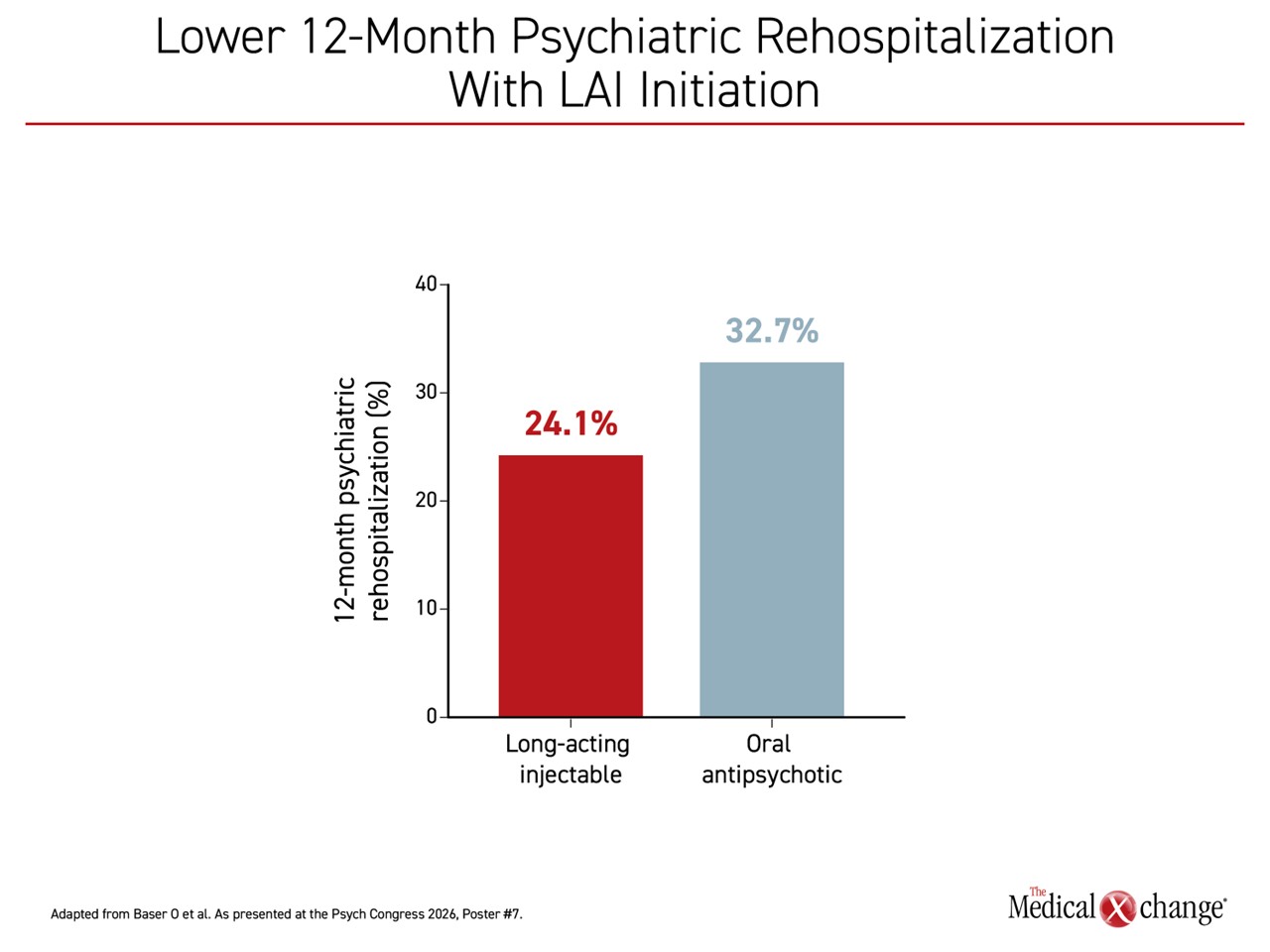
The savings were credited to a 26% lower hazard of rehospitalization risk (HR 0.74; 95% CI 0.67 – 0.82) (Figure 2). The net savings associated with LAIs relative to oral therapy were achieved through a reduced risk of hospitalization, even before considering the improvements in QoL and patient satisfaction scores.
For an exclusive interview with Dr. Ilan Melnick on the impact to clinical practice, click here
Unlike other retrospective studies using claims databases, this study was able to link Medicaid patients to their electronic medical records. This allowed pairs to be linked by diagnosis, disease severity, prior treatments, demographics, and other variables to provide context for the comparison of adherence, rehospitalization, cost, complications, and QoL.
“What we were able to show was quality of life improvements with a cost savings,” said Dr. Baser, noting that “patients felt the difference” with a clinically meaningful 5.2-point gain in QoL with injectable treatment. There was no meaningful difference in metabolic outcomes. Rather, weight gain was numerically lower in the LAI group at the end of 12 months (4.1 vs. 4.4 kg).
“What we were able to show was quality of life improvements with cost savings. Patients felt the difference.”
Early Start of LAI Might Offer Greatest Benefit
Further evidence of the advantage of early LAI use was provided by a second retrospective study that explored the potential impact of timing on outcomes by examining the association between schizophrenia-related hospitalization before LAI initiation.
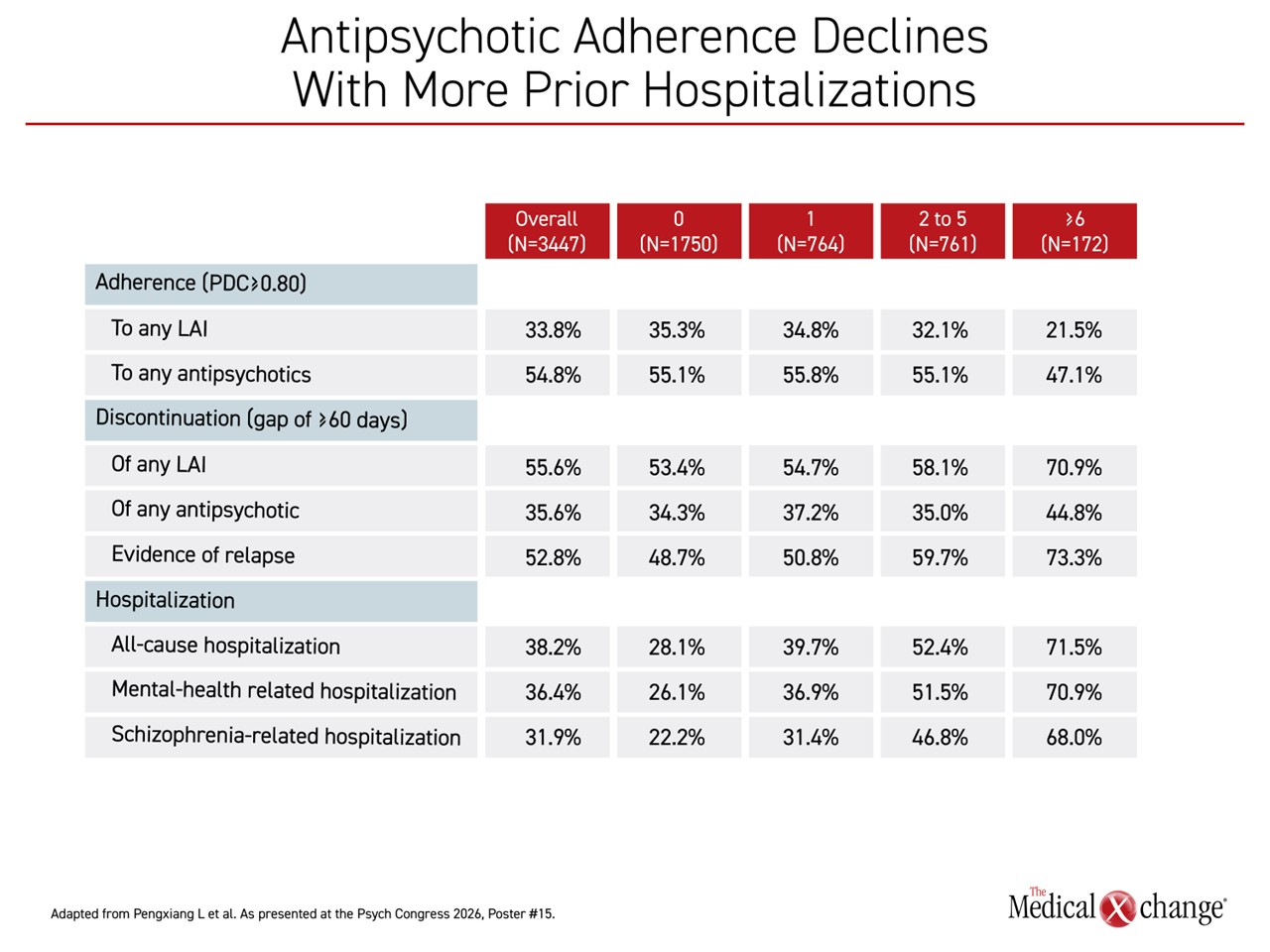
The comparison was conducted in a population of 3,447 patients with schizophrenia. Of these 764 patients had one prior hospitalization, 761 had two to five prior hospitalizations, and 172 had six or more. Each group was compared to the 1,750 with no prior hospitalizations.
In the pre-LAI period, most patients had exposure to oral antipsychotics (71.4%). The most common were risperidone (34.5%) and olanzapine (25.3%), but the list included first- and other second-generation agents, including aripiprazole (21.9%) and paliperidone (10.8%).
Whether assessed by all-cause hospitalizations, mental-health-related hospitalizations, or schizophrenia-related hospitalizations, pre-treatment hospitalizations were associated with a progressively higher risk during the 12-month post-index period (Figure 3).
Specifically, when compared to those with no hospitalizations prior to the start of a LAI, the odds ratio (OR) of mental-health-related hospitalizations climbed 34% among those with one pre-LAI hospitalization (OR 1.34; 95% CI 1.10 – 1.61), more than doubled among those with two to five pre-LAI hospitalizations (OR 2.16; 95% CI 1.73 – 2.68) and more than 4-fold among those with six or more prior hospitalizations (OR 4.20; 95% CI 2.81 -6.29).
The data suggest that “greater hospitalization burden prior to LAI initiation was associated with worse subsequent adherence and with higher risk of relapse and hospitalization,” reported Dr. Zhi Geng, a senior statistical analyst at the University of Pennsylvania in Philadelphia.
“Greater hospitalization burden prior to LAI initiation was associated with worse subsequent adherence and higher risk of relapse and hospitalization.”
The conclusion of this study was that “initiating LAIs earlier may represent a critical opportunity to improve adherence, stabilize symptoms, and reduce healthcare utilization,” Dr. Geng reported.
Benefits of a Longer-Interval LAI in Bipolar I Disorder
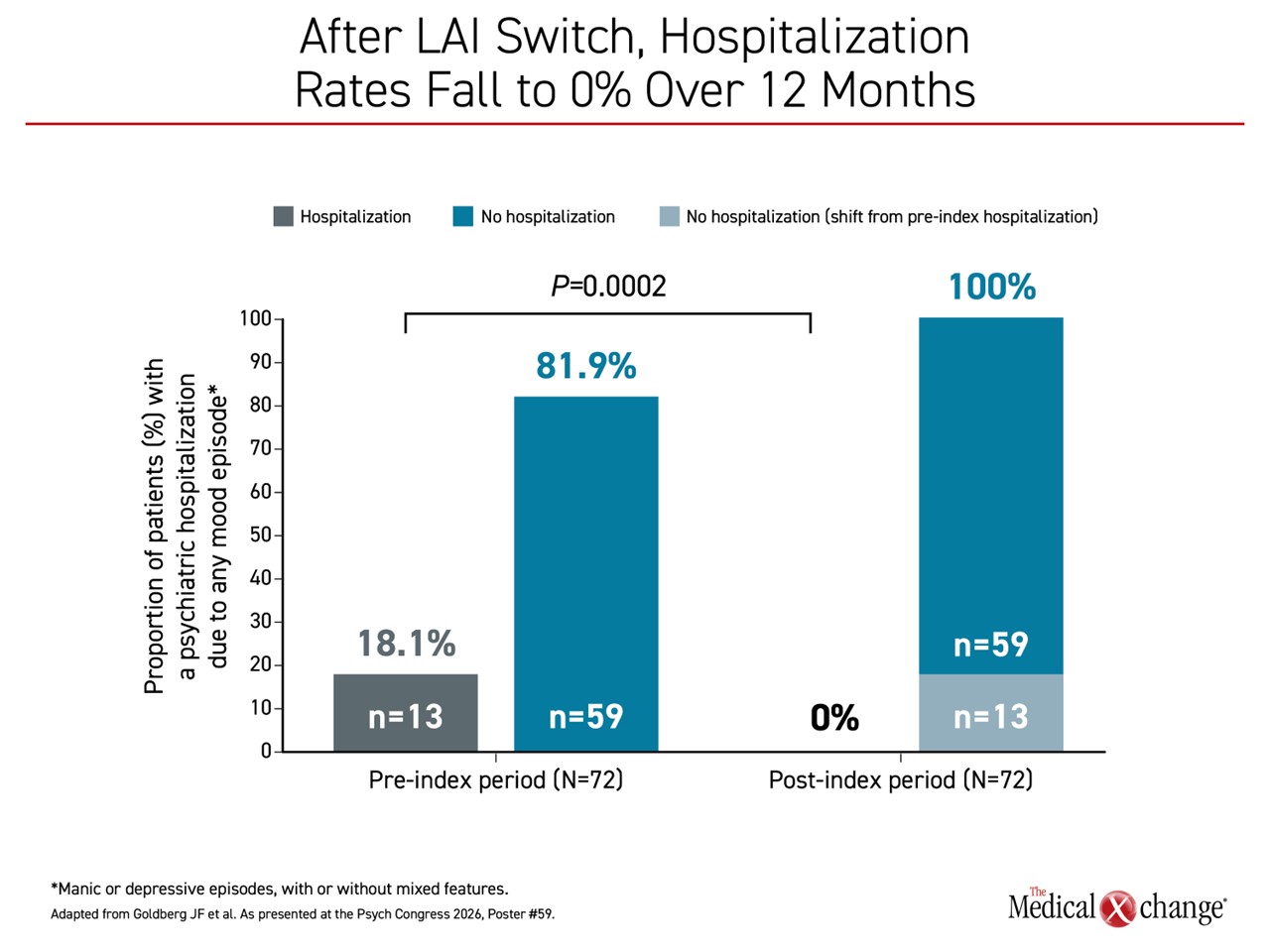
The advantages are shared by LAIs employed for other indications. In a retrospective study called REAL-BD, 72 patients with bipolar I disorder were transitioned from an oral antipsychotic (93.1%) or a once-monthly LAI (6.9%) to an every-two-month formulation of aripiprazole. In the 12 months prior to the transition, the proportion of patients hospitalized due to a mood episode was 18.1%. After the transition to the every-two-month LAI formulation of aripiprazole, the 12-month proportion of patients hospitalized was 0% (Figure 4).
Relative to the oral therapies or the 1-month aripiprazole formulation, the longer-interval formulation was also associated with low rates of clinical worsening and unscheduled psychiatric care, according to the principal investigator Dr. Joseph Goldberg, a clinical professor of psychiatry at the Icahn School of Medicine of Mount Sinai in New York City.
The findings provide “real-world descriptive evidence that outcomes remained favourable during the 12 months after transition to aripiprazole in an every-two-month, ready-to-use LAI formulation,” Dr. Goldberg reported. Again, he cited the improvement in adherence and satisfaction with treatment that was “reflected by clinical stability and low rates of treatment discontinuation” in this population of patients with bipolar disorder.
For patients with bipolar disorder or other psychiatric diseases, the assumption that there is resistance to injectable therapies might be misplaced or exaggerated, according to yet another study presented at the 2026 Psych Congress. In this study, 151 patients with bipolar disorder receiving either an oral antipsychotic (74 patients) or a once-monthly LAI (77 patients) were asked if they were willing to try a hypothetical once-every-two-months LAI.
Of those on oral therapy, only 44.6% of whom were satisfied or very satisfied with their current therapy, 37.8% expressed willingness to try an every-two-month LAI. Of those on the once-monthly injectable, of whom 83.1% were satisfied or very satisfied with their current treatment, 41.6% reported willingness to try the longer-acting LAI, according to a team of investigators that included Dr. Roger S. McIntyre, a professor of psychiatry and pharmacy at the University of Toronto.
“Irrespective of current treatment formulation, the most common motivation for trying a hypothetical once-every-two-months LAI was the reduced mental burden of less frequent dosing,” reported Dr. McIntyre and his co-investigators.
Patient Reported Outcomes Improve on LAI
Beyond their potential to improve adherence and reduce relapse risk, longer-interval LAIs may reduce treatment burden and support outcomes important to patients and caregivers. These broader outcomes were explored in several studies presented at the 2026 Psych Congress.
In a trial that evaluated patient-reported outcomes while on a LAI administered every three or six months, measurable benefits in QoL were observed in both treatment groups using the Schizophrenia Quality of Life Scale Revision 4 (SQLS-R4). Among participants who entered the study receiving oral antipsychotics, treatment satisfaction also improved after transitioning to either LAI, as assessed using the nine-item Treatment Satisfaction Questionnaire for Medication (TSQM-9).
The study, conducted with paliperidone palmitate, showed that “patients who transitioned to an every-3 or every 6-month LAI achieved sustained improvements in treatment satisfaction,” according to Dr. Leslie Citrome, the senior author, who is a clinical professor of psychiatry and behavioural sciences at New York Medical College, Valhalla. He reported that the improvements in QoL were “comparable” between the two formulations, and further reported that the advantage of the LAI extended to family members and clinicians.
“Caregivers of participants who were treated with either LAI reported clinically relevant reductions in caregiver burden,” according to Dr. Citrome.
The same types of findings were generated by a U.S. real-world study of the every-2-month formulation of aripiprazole. The study included 30 people living with schizophrenia who transitioned from either an oral antipsychotic (66.7%) or once-monthly injectable aripiprazole (36.7%), with one participant having received both treatments. After the switch to the every-two-month aripiprazole LAI, 23.3% of patients characterized themselves as extremely satisfied with the new medication. Of the others, 20.0% were very satisfied, 40.0% were satisfied, and 16.7% were somewhat satisfied. No patient reported being dissatisfied at any level. Almost 75% of patients reported greater satisfaction with the every-two-month LAI than their prior antipsychotic therapy, according to collaborators.
“Caregivers of participants who were treated with either dose of LAI reported clinically relevant reductions in caregiver burden.”
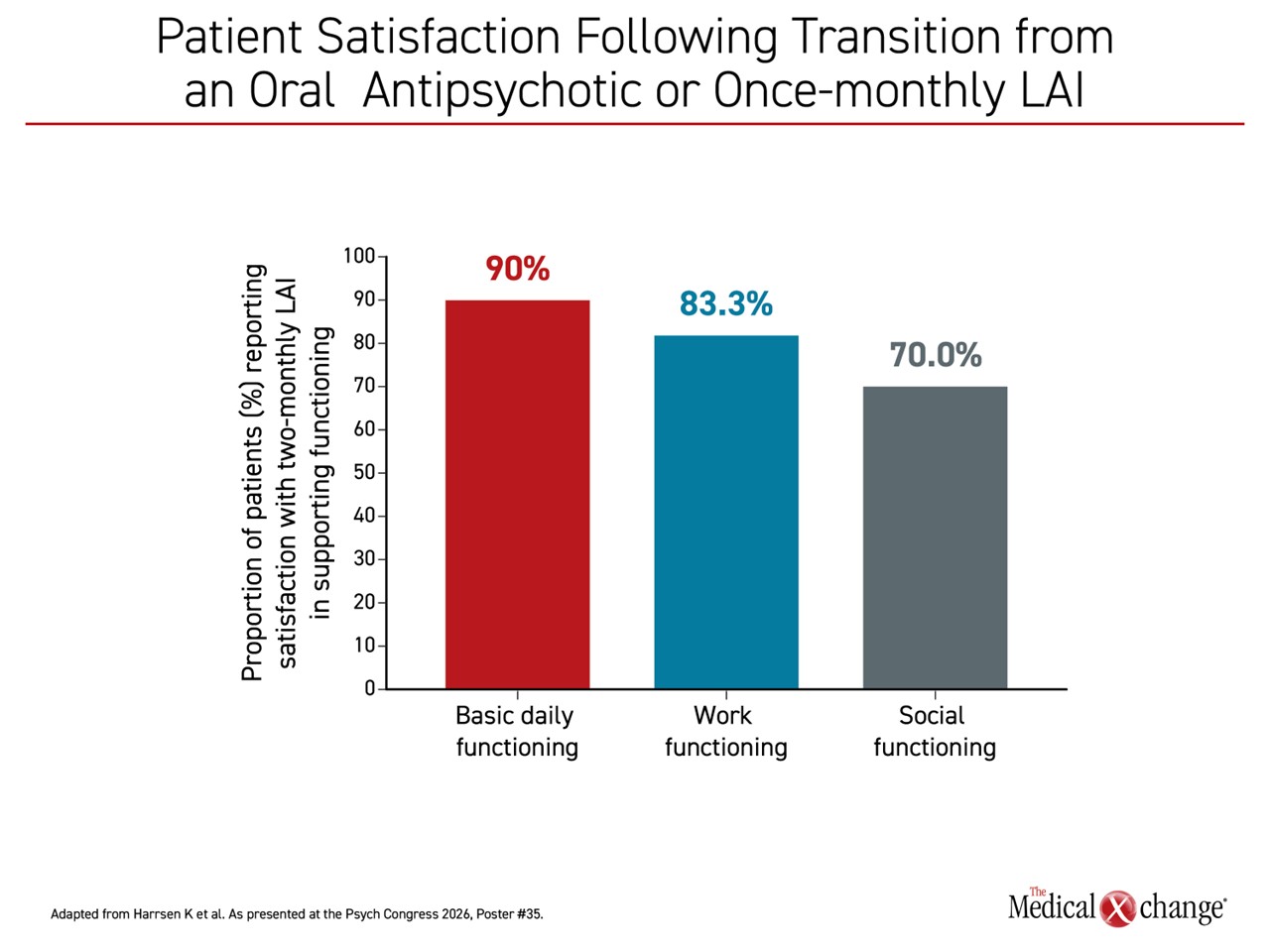
These high rates of treatment satisfaction extended to the treatment’s support for functioning, reaching 90.0% for basic daily functioning, 83.3% for work functioning, and 70.0% for social functioning (Figure 5). The high rates of satisfaction and the perceived influence of this satisfaction in improving functioning in daily life underline “the potential value of a longer-interval treatment option,” reported the study collaborators.
A similar pattern emerged in bipolar I disorder. Among patients who transitioned from an oral or once-monthly injectable antipsychotic to every-two-month aripiprazole, almost 90% reported greater satisfaction with the longer-interval LAI than with their previous antipsychotic therapy. High levels of satisfaction were also reported for the treatment’s support of basic daily functioning (85.7%), work functioning (91.4%), and social functioning (68.6%).
Conclusion
Based on their potential to improve adherence to antipsychotic therapy, LAIs have been used particularly in patients with a high risk of poor adherence and a difficult clinical course. New data reaffirm the value of considering LAIs across a broader spectrum of patients, including those in early stages of disease where the improved adherence provided by LAI can set a course of disease control that involves a lower risk of relapse, a greater improvement in treatment satisfaction, and an improvement in QoL that extends to daily function.